


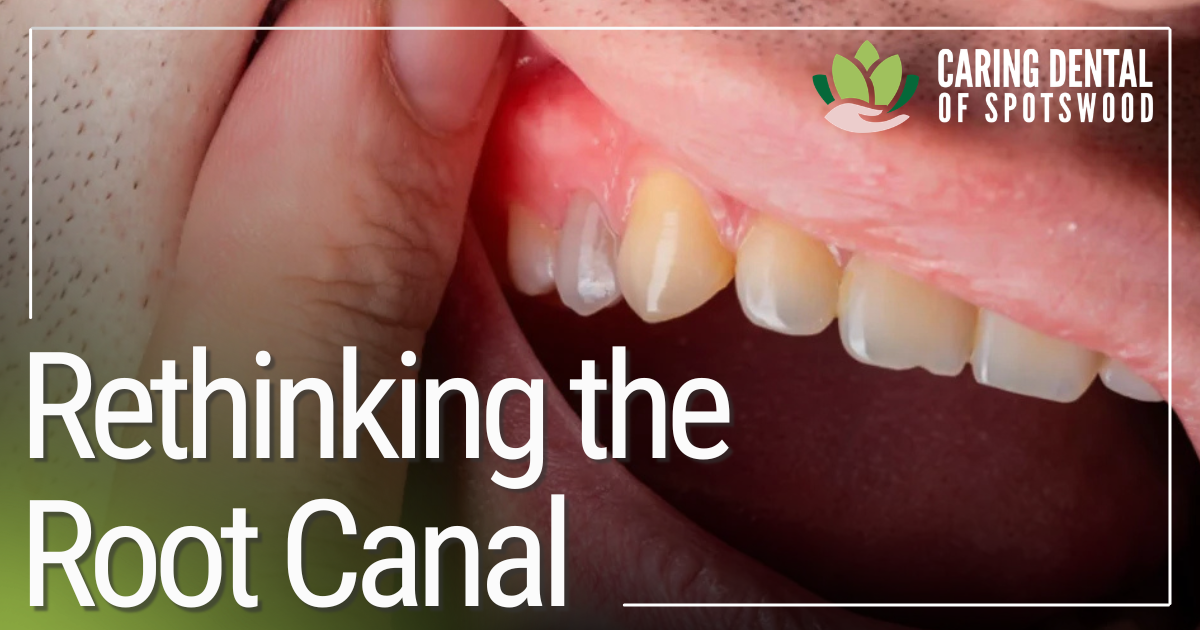
Root Canal Therapy: Saving Your Natural Tooth
The words “root canal” probably make you tense up a little, and that reaction makes sense given the horror stories you may have heard. But here’s the truth: root canals don’t cause pain, they relieve it. This treatment saves teeth that would otherwise need extraction, and modern techniques have made the experience far more comfortable than its outdated reputation suggests.
Understanding When Root Canal Therapy Becomes Necessary
Root canal therapy is needed when infection or damage reaches the pulp inside your tooth, the area where nerves and blood vessels are located. This most often happens due to deep decay, cracks, or repeated dental work on the same tooth. In some cases, trauma can damage the pulp even when the tooth looks intact on the outside.
You may need a root canal if you experience persistent tooth pain, prolonged sensitivity to hot or cold that lingers after the temperature is removed, or swelling and tenderness in the surrounding gums. Some teeth, however, become infected without obvious symptoms, which is why regular dental exams are so important. Problems can often be identified before you feel discomfort. Treating the issue early helps prevent infection from spreading to the surrounding bone, which could otherwise lead to abscesses and more serious complications.
How Modern Root Canal Therapy Works
Root canal treatment has advanced significantly in recent years. During the procedure, the infected or damaged pulp is removed from inside the tooth. The interior canals are then carefully cleaned, disinfected, and sealed with a rubber-like material called gutta-percha to prevent reinfection.
Most root canals are completed in one or two appointments, depending on the tooth’s anatomy, and many take about an hour to perform. Advanced digital imaging allows us to see the tooth’s structure clearly before treatment begins. Rotary instruments clean canals more efficiently than older manual tools, and modern anesthetics ensure you remain comfortable throughout the procedure. Many patients are surprised by how straightforward the experience feels—often comparable to getting a filling.
Root Canal vs. Extraction: Making the Right Choice
When a tooth can be saved, root canal therapy is usually the better option, namely for two reasons:
Preserves your natural tooth structure
Keeping your natural tooth maintains proper spacing, supports jawbone health, and provides better function than any replacement. Root canal therapy has a success rate of over 95% when performed properly, and treated teeth can last a lifetime with good care.
More cost effective in the long term
While extraction may seem simpler at first, it often leads to bone loss, shifting teeth, and the need for a dental implant or bridge. These additional treatments can increase both cost and complexity over time.
After Your Root Canal Treatment
Most patients return to normal activities the same day or the following day. Mild tenderness around the treated area is common for a few days and is usually manageable with over-the-counter pain relievers. In many cases, the tooth feels noticeably better almost immediately once the infected tissue is removed.
A dental crown is often recommended after root canal therapy, especially for back teeth that endure heavier chewing forces. The crown protects the tooth and restores full function. With proper care and routine dental visits, a root canal–treated tooth can remain healthy and functional for many years.
Interested in learning more about root canal therapy? Give us a call and schedule an appointment at Caring Dental of Spotswood located in Spotswood, NJ.