

What Happens When You Chew Mostly on One Side?
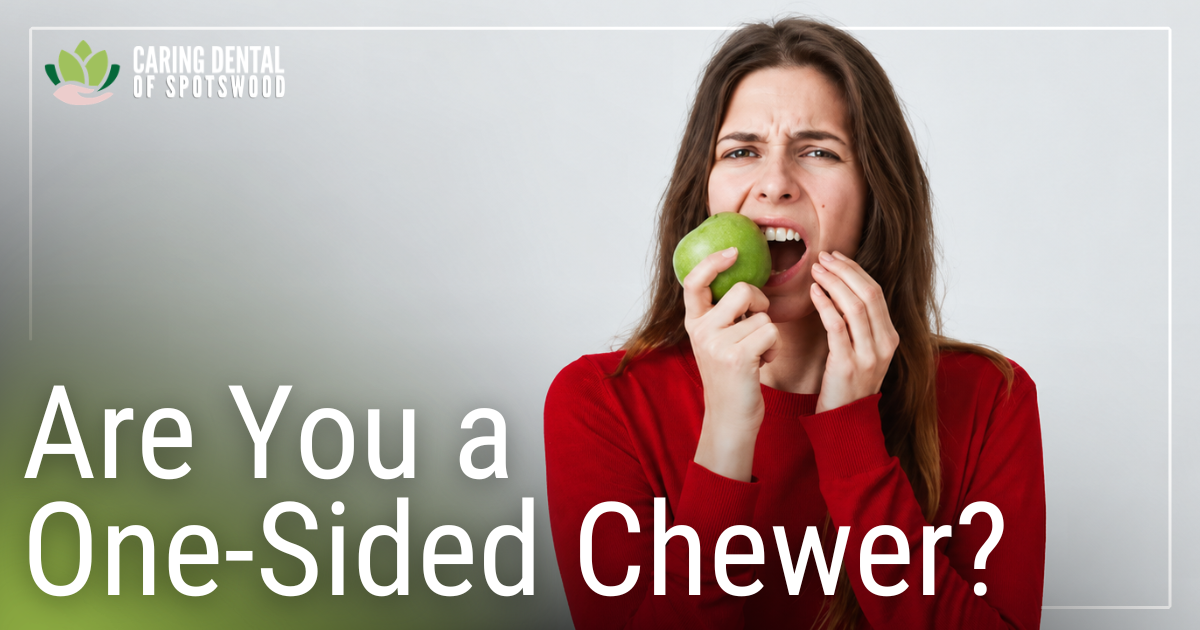
Have you ever noticed that you tend to chew on the same side of your mouth? Maybe you automatically move your food to the right, or perhaps the left side just feels more comfortable. You probably don’t even think about it anymore. After all, most of us don’t spend much time analyzing how we chew! Consistently favoring one side of your mouth can tell us something interesting about your teeth, bite, or jaw.
Is Having a Favorite Chewing Side Normal?
Most of us have little habits we don’t even realize we’ve developed, and chewing is no exception. You may naturally prefer one side because it feels easier or more comfortable. An occasional preference isn’t necessarily a problem, and your teeth don’t have to share every bite of food equally.
However, if you almost always avoid chewing on one side, particularly if that habit is relatively new, it’s worth considering why. Sometimes the answer is simply habit. Other times, your mouth may be adapting to something that doesn’t feel quite right.
Could Your Teeth Be Influencing Your Choice?
One reason people favor one side is that chewing on the other feels uncomfortable. A sensitive tooth, an older restoration, a missing tooth, or an area that doesn’t feel quite right when you bite down can all influence how you chew. You might not even describe the sensation as pain. Sometimes it’s simply easier to use the other side.
Because we tend to repeat what feels most comfortable, that small adjustment can gradually become your normal routine. The interesting part is that you may stop noticing the original reason for the change, even though the habit remains.
Your Jaw Muscles Are Part of the Picture
Chewing involves more than your teeth. Your jaw joints and the muscles that move your jaw also play important roles. When you consistently favor one side, the muscles on that side do more of the work. For some people, that uneven activity contributes to muscle fatigue or discomfort, particularly if other jaw-related concerns are already present. Chewing on one side doesn’t automatically mean you’ll develop a jaw problem, but if you’ve also noticed tightness, tenderness, clicking, or discomfort when eating, it’s worth sharing those details with us.
A Little Awareness Can Be Helpful
Here’s a simple experiment for your next meal: Pay attention to how you chew your food. Do you use both sides of your mouth or mostly just one? If you notice a strong preference, ask yourself whether it’s always been that way. Does the other side feel uncomfortable? Are you unconsciously protecting a tooth? Have you noticed any changes in your bite? You don’t need to figure out the answers on your own. Those observations give us a useful starting point for a conversation.
Comfortable Chewing Shouldn’t Require a Strategy
One of our goals for patients is the freedom to enjoy everyday activities without working around dental discomfort. Eating should feel natural. You shouldn’t have to carefully plan which side of your mouth gets the crunchy foods or automatically avoid certain textures because something doesn’t feel right.
We take the time to understand what’s happening before recommending treatment. If you’ve noticed you’re consistently chewing on one side, especially because the other side feels uncomfortable, schedule an appointment so we can take a look.
Sometimes a small habit is simply a habit. Other times, it’s your mouth’s way of working around something that deserves attention. Either way, we’d be happy to help you get to the bottom of it. Schedule an appointment at our office located in Spotswood, NJ.