

Crowns For Stronger Teeth
A cracked tooth you’ve been babying for months or a tooth weakened by a large filling doesn’t have to be extracted. Dental crowns protect and strengthen damaged teeth by covering them completely, restoring function and appearance. This treatment helps save teeth that might otherwise be lost, allowing you to keep your natural tooth structure while regaining the strength needed to chew comfortably. Read on to learn more.
Understanding How Crowns Restore Teeth
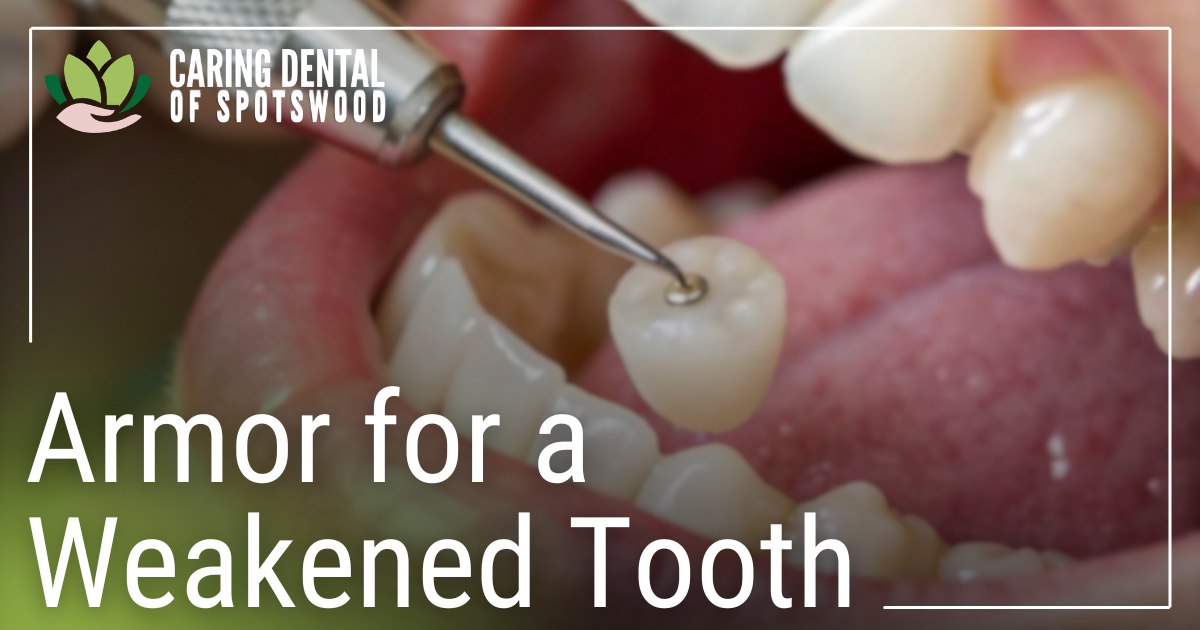
Dental crowns act like protective caps that cover the entire tooth from the gumline up, surrounding and reinforcing the remaining structure. Think of a crown as armor for a vulnerable tooth. It distributes biting forces evenly and helps prevent further damage. Modern crowns are custom crafted to match your natural teeth in color, shape, and size, making them blend seamlessly with your smile.
Crowns restore teeth to full function while protecting them from additional stress or decay. A weakened tooth doesn’t regain strength on its own, and continuing to use it without protection often leads to fractures or failure. Placing a crown gives the tooth the reinforcement it needs to handle normal chewing pressure for years—and in many cases, decades—essentially returning it to everyday use.
When Crowns Become the Right Solution
There are several situations in which a dental crown is a better option than a simple filling:
Large fillings that weaken the tooth
When a filling replaces more than half of the tooth, the remaining structure becomes fragile. A crown supports and protects the entire tooth rather than just filling one area.
Cracked or fractured teeth
Cracks that extend through a tooth need to be stabilized before they worsen. A crown holds the tooth together and helps prevent the crack from spreading.
Root canal–treated teeth
After root canal therapy, a tooth becomes more brittle because its nerve and blood supply have been removed. A crown protects it from fracturing during normal chewing.
Severely worn or eroded teeth
Grinding, acidic foods, or long-term wear can reduce tooth height and strength. Crowns rebuild structure and restore proper bite function.
The Crown Process and What to Expect
Getting a crown typically involves two visits. During the first appointment, the tooth is prepared by removing decay and shaping it to fit the crown. Impressions or digital scans are taken to capture precise measurements, and a temporary crown is placed to protect the tooth while the permanent crown is created.
The temporary crown allows you to eat and smile normally, though it’s best to avoid very sticky or hard foods. About two weeks later, you return for your second visit. The temporary crown is removed, the permanent crown is checked for fit and color, and any needed adjustments are made before it is cemented securely in place. The result is a restored tooth that looks natural and feels comfortable when you bite.
Caring for Your Crown Long Term
With proper care, crowns can last 10 to 15 years or longer. Caring for a crowned tooth is similar to caring for natural teeth: brush and floss regularly and keep up with routine dental visits. While the crown itself cannot decay, the tooth underneath—especially near the gumline—can still develop cavities if oral hygiene is neglected.
Avoid habits like chewing ice or using your teeth as tools, as these can damage crowns and natural teeth. Regular dental checkups allow your dentist to monitor the crown and address any concerns early, helping it continue protecting your tooth for as long as possible.
Schedule an appointment at our office located in Spotswood, NJ, today to learn more about crowns and if they are an option you want to explore.